
Choosing the right hardwood flooring goes far beyond selecting a wood species or finish. One of the most overlooked, yet most important, factors is wood grade. Wood grading directly affects the overall appearance, character, and cost of your floors, making it a key decision point for homeowners who value both aesthetics and longevity.
Whether you’re designing a coastal retreat, a desert modern estate, or a classic residence, understanding wood flooring grades will help you make an informed and confident choice.
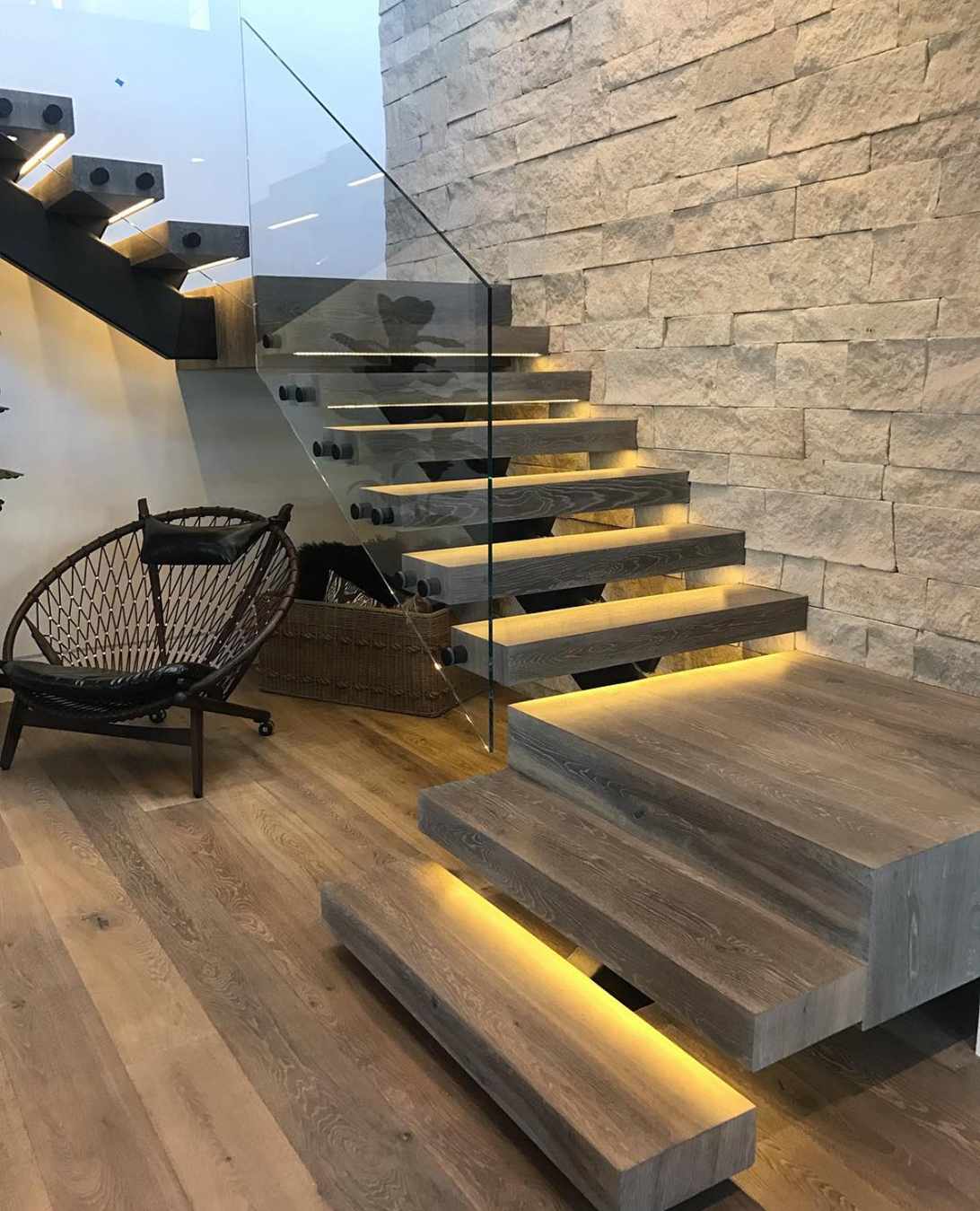
What Are Wood Flooring Grades?
Wood flooring grades are primarily based on appearance, not structural strength. Industry organizations such as the National Wood Flooring Association (NWFA) and the National Hardwood Lumber Association (NHLA) establish grading standards to categorize wood based on visual characteristics such as:
- Knot size and frequency
- Color consistency
- Mineral streaks
- Natural imperfections
It’s important to note that lower grades are not lower quality in durability, they simply offer a different visual expression. The more uniform the appearance, the higher the grade and price. The more variation and natural character, the more approachable the cost tends to be.
While grading terminology can vary slightly across manufacturers, three primary grades are most commonly used and understood by homeowners.
Prime Grade: Clean, Refined, and Elegant
Prime Grade (sometimes called Clear Grade) represents the most refined and uniform hardwood flooring available.
Appearance
Prime grade planks are carefully selected to allow only minimal natural characteristics. Knots are extremely small or nonexistent, color tones are consistent, and mineral streaks are rare. The result is a smooth, uninterrupted visual flow across the floor.
Aesthetic
This grade creates a clean, modern, and highly polished look. It’s ideal for contemporary homes, formal interiors, and luxury properties where subtle elegance is the priority.
Availability & Cost
Because prime grade wood requires selective harvesting and sorting, it is typically the most exclusive and expensive option. Limited availability contributes to its premium pricing.
Best for:
- Modern coastal homes
- High-end condominiums
- Minimalist or architectural interiors
Light Rustic Grade: Balanced Character with Timeless Appeal
Light Rustic Grade strikes a beautiful balance between refinement and natural character, making it one of the most popular choices among homeowners.
Appearance
This grade includes small knots, gentle color variation, and minor natural imperfections that add warmth without overwhelming the space. The overall look remains cohesive while feeling organic.
Aesthetic
Light rustic flooring offers a natural, classic feel that works well across a wide range of design styles. It delivers character without appearing overly rustic, making it a versatile and enduring option.
Cost
Typically positioned as a mid-tier option, light rustic offers excellent value by combining visual interest with a refined, balanced presentation.
Best for:
- All home styles
- Coastal-inspired interiors
- Homeowners seeking warmth with a natural, balanced character
Rustic Grade: Authentic, Bold, and Naturally Expressive
Rustic Grade, sometimes referred to as Builder’s Grade, embraces wood in its most natural state.
Appearance
This grade features larger knots, noticeable color variation, mineral streaks, and visible grain movement. Natural checks and filled cracks are part of the wood’s character, with each plank creating a dynamic, textured look.
Aesthetic
Rustic grade flooring is ideal for homeowners who appreciate authenticity and character. It pairs beautifully with farmhouse, Mediterranean, or relaxed luxury designs that celebrate natural materials.
Cost
Rustic grade is generally the most economical of the standard grades, offering a bold visual statement at a more accessible price point.
Best for:
- Casual luxury homes
- Farmhouse or Old-World interiors
- Spaces designed to feel warm, lived-in, and organic
Choosing the Right Grade for Your Home
The right wood grade ultimately depends on your design goals, lifestyle, and personal taste. All grades offer excellent durability and performance when properly installed and maintained, the difference lies in how the floor looks and feels within your space.
- Prefer clean lines and subtle elegance? Prime Grade may be the right fit.
- Want warmth with refined character? Light Rustic offers the best of both worlds.
- Love bold textures and natural variation? Rustic Grade delivers unmatched authenticity.
A knowledgeable flooring professional can help guide this decision by showing full plank samples and explaining how each grade will age over time.
Final Thoughts
Wood flooring grades are not about better or worse — they are about visual expression. From pristine and uniform to rich and character-driven, each grade tells a different story.
By understanding these differences, you can confidently select flooring that complements your home’s architecture, enhances its value, and aligns with your lifestyle for years to come.
Why Choose Warren Christopher in Newport Beach
- 25+ Years of Experience — Trusted craftsmanship and care from a legacy flooring brand
- Experts in European Oak flooring and Reclaimed Wood — Curated materials matched to refined architectural styles
- Certified Installers and Lifetime Service — Precision installation backed by long-term client support
- Showroom Experience — Explore endless premium wood flooring samples in person at our Costa Mesa location.
Ready to transform your home with timeless wood flooring?
📞 Call: 949-645-1406
📍 Visit: 1534 Newport Blvd, Costa Mesa, CA 92627
✉️ Email: info@wchristopher.com